How Toxic Leaders damage your Business – and what You can do about it.

The Hidden Leadership Crisis in the Workplace

Strong leadership is the engine that drives successful businesses. But not all leadership is good leadership. Some managers may appear efficient or confident on the surface, yet their actions create deep harm within teams. This is what we call toxic leadership.

In Egypt’s fast-paced business world, many small and large companies overlook the signs of toxic leadership until serious damage is already done. Employees start leaving, morale drops, and the work culture shifts from collaborative to chaotic. In this article, we explore what toxic leadership really means, how it silently hurts your business, and the steps you can take to fix it before it’s too late.

What Is Toxic Leadership?

Toxic leaders are individuals in authority who negatively impact their team, often without even realizing it. These leaders prioritize their own power, control, or ego over team success and employee well-being.

Common behaviors of toxic leaders include:

  • Micromanaging every decision
  • Blaming others instead of taking responsibility
  • Ignoring feedback and input
  • Playing favorites or creating division among team members
  • Disrespecting boundaries and work-life balance

This type of leadership creates fear, frustration, and low morale, leading to long-term consequences for both employees and the business.

The True Cost of Toxic Leadership

At first, the impact of toxic leadership may seem small, but over time, the damage grows:

1. Employee Burnout
A toxic leader creates constant pressure and fear. Employees feel anxious, unmotivated, and emotionally drained. This leads to burnout and poor performance.

2. High Turnover
Good employees leave when they feel undervalued or mistreated. This creates extra hiring costs and loss of knowledge.

3. Team Conflict and Poor Communication
Toxic leaders often cause division, gossip, and mistrust. Communication breaks down, and teamwork suffers.

4. Loss of Productivity
When the focus shifts to survival rather than collaboration, productivity drops. Deadlines are missed. Errors increase.

5. Legal and Compliance Risks
In Egypt, labor law violations linked to harassment, discrimination, or unsafe work environments can lead to serious legal trouble and financial penalties.

How to Spot Toxic Leadership Early

Recognizing the signs early can prevent long-term harm. Watch for these red flags:

  • High absenteeism or resignations from one team
  • Employees avoiding meetings or not speaking up
  • Poor performance despite skilled staff
  • Employees reporting stress, burnout, or unfair treatment
  • Frequent team conflicts or complaints

These warning signs are your chance to act before the damage deepens.

Practical Steps for Business Owners

Toxic leadership is not always intentional—but it must be addressed. Here’s what you can do:

1. Conduct an HR Audit
Evaluate team dynamics, manager behavior, and employee feedback to understand what’s really happening.

2. Provide Leadership Coaching and Training
Invest in skill development to help managers lead with empathy, fairness, and clarity.

3. Create Safe Communication Channels
Encourage employees to speak up without fear. Use anonymous surveys or third-party HR consultants.

4. Set Clear Policies and Consequences
Outline acceptable leadership behaviors and disciplinary actions in your employee handbook.

5. Take Action Quickly
Don’t delay once toxic behavior is confirmed. Reassign roles, issue warnings, or terminate if needed.

Good Leadership Is a Business Priority

Toxic leadership is more than a personality issue—it’s a business risk. It affects people, performance, and profit. But with the right actions and expert HR guidance, you can fix the damage, rebuild trust, and lead your company toward long-term success.

Don’t wait for things to fall apart. Start building a healthier leadership culture today.

The importance of HR: The backbone of every Successful Business

Introduction

Imagine running a business with no clear hiring process, no employee guidelines, and no way to track performance. Chaos, right? That’s what happens when businesses overlook HR. Human Resources (HR) is more than just a department—it’s the foundation of a strong and successful business. Many business owners think HR management is only about hiring and firing, but in reality, it plays a crucial role in building and maintaining a productive workforce. A well-structured HR strategy ensures that employees are motivated, trained, and aligned with business goals. Without good HR, businesses struggle with high turnover, compliance risks, and unmotivated teams. Let’s dive deep into why HR is critical for business success and the risks of neglecting it.

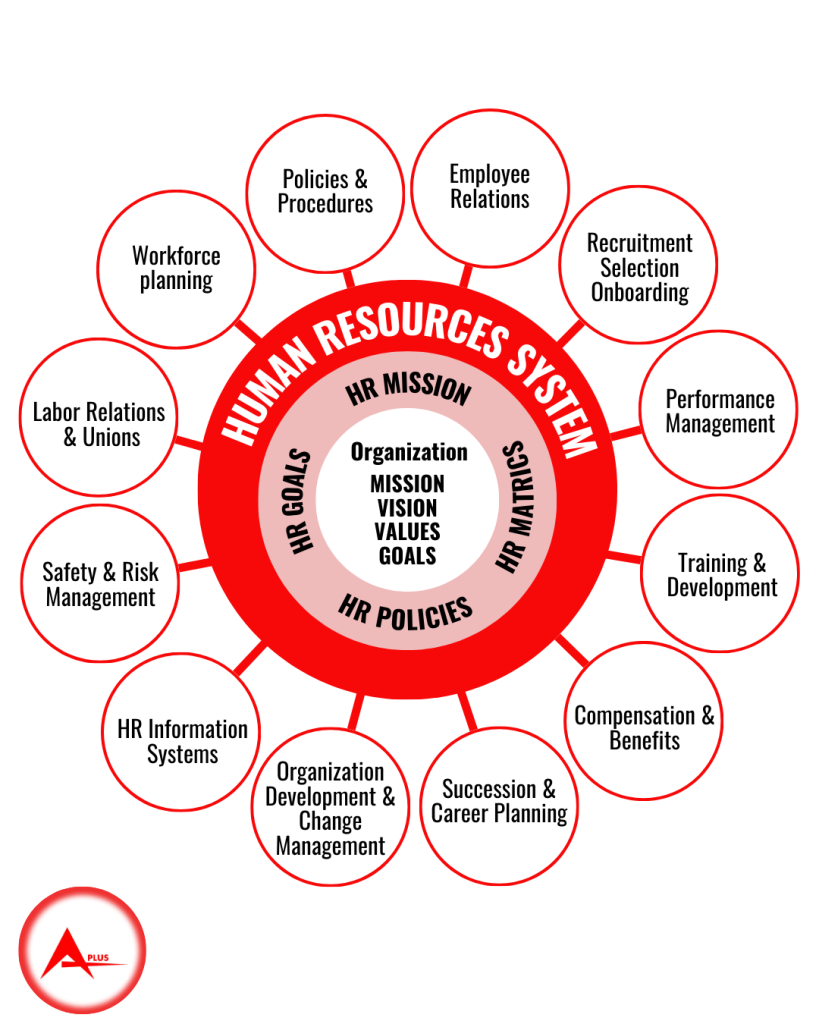
1. Hiring the Right People

Every business needs skilled and reliable employees to grow. HR ensures the right recruitment process is in place, from defining job roles to screening and interviewing candidates. A strong HR recruitment strategy saves businesses from costly hiring mistakes and ensures they attract top talent. Without proper hiring practices, businesses risk high turnover, poor performance, and low morale.

2. Employee Onboarding & Retention

Hiring doesn’t stop at recruitment. A structured onboarding process helps new employees settle in, understand company culture, and become productive faster. HR onboarding programs ensure new hires feel welcome and have the tools they need to succeed. Businesses with strong onboarding programs experience higher employee retention and engagement, reducing costs associated with frequent rehiring.

3. Performance Management

How do you know if your employees are performing well? HR sets up performance management systems to track progress, provide feedback, and help employees improve. Regular employee evaluations and goal-setting ensure that employees stay on track and contribute to business growth. Without HR performance management, businesses struggle to measure employee performance and risk low productivity.

4. Training & Employee Development

A business is only as strong as its employees. HR training and development programs upskill workers, increase efficiency, and keep teams competitive. Investing in employee training leads to higher job satisfaction, increased productivity, and a workforce that can adapt to industry changes.

5. Compensation & Benefits Management

Paying employees fairly and offering competitive benefits is key to attracting and retaining top talent. HR compensation and benefits management ensures that salaries are competitive, bonuses are well-structured, and employee benefits (such as health insurance, paid leave, and retirement plans) meet expectations. Without HR managing compensation, businesses risk losing valuable employees to competitors.

6. HR Compliance & Labor Law Adherence

Businesses must follow labor laws and workplace regulations to avoid legal trouble. HR compliance ensures businesses follow employment laws, workplace safety standards, and fair labor practices. It also creates policies to prevent workplace issues such as discrimination, harassment, and unfair treatment. Failure to comply with labor laws can lead to lawsuits, fines, and reputational damage.

7. Workplace Culture & Employee Relations

HR plays a huge role in shaping company culture. It fosters a positive work environment by promoting teamwork, addressing conflicts, and improving communication between employees and management. A strong HR culture strategy boosts employee morale, reduces turnover, and increases business success.

8. Risk Management & Workplace Safety

A safe workplace is essential for employee well-being. HR risk management ensures compliance with occupational safety laws, provides training on safety protocols, and reduces workplace accidents. Strong HR policies help businesses operate smoothly.

9. Succession Planning & Leadership Development

Future business success depends on strong leadership. HR succession planning identifies and develops employees who have leadership potential, ensuring businesses have a pipeline of skilled managers and executives. Without succession planning, businesses risk instability when key employees leave.

10. Workforce Planning

A successful business requires a well-thought-out workforce strategy. HR workforce planning ensures businesses have the right people in the right roles at the right time. It involves forecasting future hiring needs, analyzing skill gaps, and creating long-term talent strategies. Without HR workforce planning, businesses struggle with sudden staff shortages, poor resource allocation, and talent mismanagement.

11. Employee Relations

Maintaining strong employee relationships is vital for workplace harmony. HR employee relations management focuses on resolving conflicts, improving communication, and ensuring fair treatment of employees. A positive employee relations strategy fosters a productive work environment, reduces disputes, and increases job satisfaction. Without HR handling employee relations, businesses risk workplace tension, high turnover, and legal issues. Future business success depends on strong leadership. HR succession planning identifies and develops employees who have leadership potential, ensuring businesses have a pipeline of skilled managers and executives. Without succession planning, businesses risk instability when key employees leave.

The Risks of Poor HR Management

Ignoring HR can be a costly mistake for any business. Here are some risks businesses face without a strong HR strategy:

High Employee Turnover – Constant rehiring drains time and resources.

Legal Issues & FinesNon-compliance with labor laws leads to lawsuits.

Low Employee Morale – Poor HR policies create unhappy and unmotivated teams.

Workplace Conflicts – Lack of employee relations management results in disputes.

Poor Performance – No clear performance tracking leads to low productivity.

The Benefits of a Strong HR System

On the other hand, investing in HR best practices brings major benefits:

Stronger Workforce – HR ensures skilled employees are hired and retained.

Better Compliance – Avoid legal risks with proper policies and regulations.

Higher Employee EngagementMotivated teams perform better and stay longer.

Efficient Business Growth – HR helps businesses scale by building strong teams.

Improved Workplace Culture – A positive work environment increases productivity.

Conclusion

HR is not an optional department—it is the backbone of every business. From recruitment and training to compliance and workplace culture, HR ensures businesses run efficiently and employees perform at their best. A strong HR strategy leads to business growth, reduced risks, and a thriving workforce.

Need support with HR? Contact us for free HR Consultation today! We specialize in building strong HR systems that drive business success.


7 HR Mistakes Hurting Your Business!

Human Resources (HR) is the backbone of any business. When managed well, it drives growth, employee satisfaction, and compliance. But when neglected, it leads to high turnover, low productivity, and costly legal issues. Many business owners unknowingly make HR mistakes that hurt their company. Are you one of them?

Here are seven common HR mistakes and how to fix them.

1. Ignoring Compliance Requirements

Employment laws are constantly changing. Failing to comply with labor regulations can result in lawsuits, fines, and reputational damage. Common compliance mistakes include misclassifying employees, not updating contracts, and missing payroll tax deadlines. Additionally, many businesses fail to keep proper employee records, which can lead to disputes and legal complications.

How to Fix It: Conduct regular HR audits, stay updated on labor laws, and use HR software to track compliance requirements. Partnering with an HR consultant can also help ensure your business remains compliant with evolving regulations.

2. Poor Onboarding Process

A weak onboarding process leaves new hires confused and disengaged. If employees don’t get proper training and support from day one, they are more likely to leave within the first few months. A poor onboarding experience results in lower productivity, increased turnover, and wasted hiring costs.

How to Fix It: Standardize onboarding, provide clear job expectations, and assign mentors to guide new hires. Create a structured onboarding program that includes orientation sessions, clear role definitions, and early performance check-ins to help new hires feel welcome and valued.

3. Weak Performance Management

Many companies conduct annual performance reviews but fail to provide ongoing feedback. Employees need clear goals and regular check-ins to stay engaged and productive. Without a structured performance management system, employees may feel undervalued and unmotivated, leading to decreased efficiency.

How to Fix It: Set measurable KPIs, schedule frequent performance discussions, and provide constructive feedback. Utilize performance management tools that allow real-time tracking of employee progress, enabling managers to provide timely support and recognition.

4. No Employee Development Programs

A lack of training and growth opportunities leads to disengaged employees and high turnover. Talented employees will leave if they don’t see career progression. When employees feel stagnant, they often seek opportunities elsewhere, causing businesses to lose top talent.

How to Fix It: Offer skills training, leadership development, and mentorship programs to help employees grow within your company. Encourage professional development by providing tuition reimbursement, workshops, and internal learning resources. Career progression plans should be discussed regularly with employees to align their aspirations with business needs.

5. Poor Workplace Culture

A toxic work environment results in unhappy employees and low morale. If your company tolerates bad behavior, lacks clear values, or has weak leadership, productivity will suffer. Employees who feel disconnected from the company culture are less likely to be engaged and loyal.

How to Fix It: Define your company’s core values, recognize employees’ contributions, and create an inclusive work culture. Promote open communication, establish employee feedback mechanisms, and celebrate team successes. A positive workplace culture attracts top talent and fosters long-term retention.

6. Not Using HR Technology

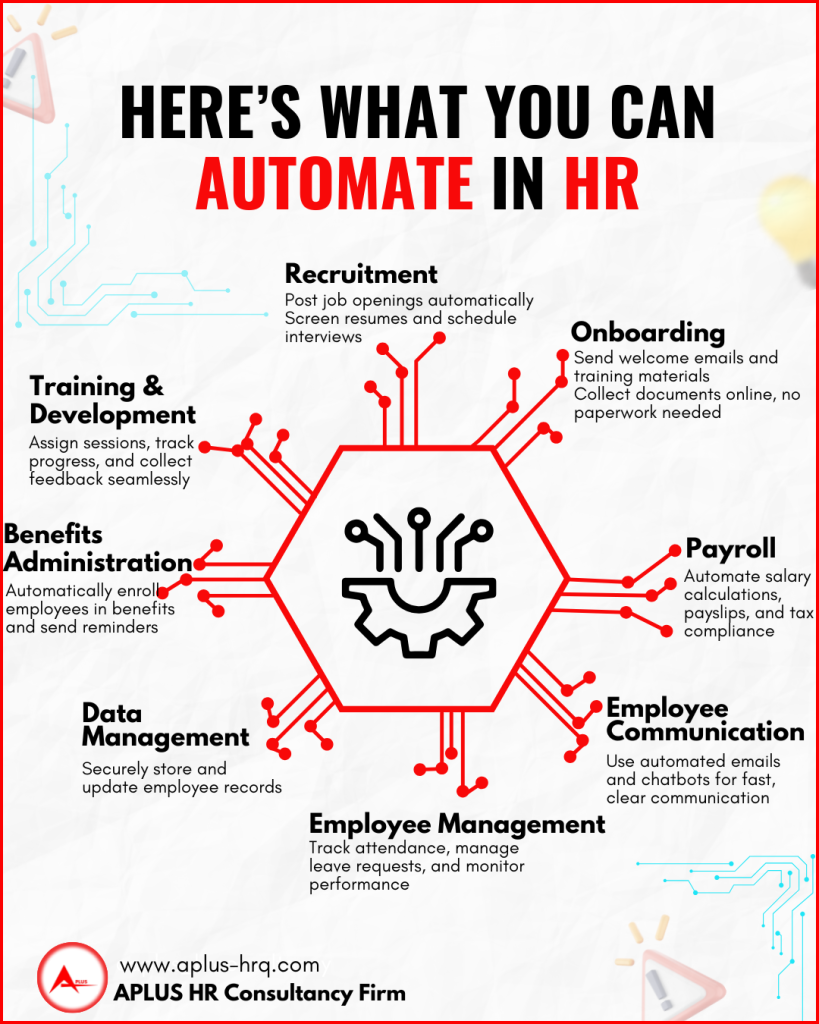
Relying on outdated manual processes slows down HR operations and increases errors. Payroll mistakes, unorganized recruitment, and poor data tracking cost businesses money and time. Many businesses still rely on spreadsheets and paper-based processes, which can lead to inefficiencies and compliance risks.

How to Fix It: Invest in HR software to automate payroll, recruitment, and performance tracking. It improves efficiency and accuracy. Cloud-based HR solutions allow businesses to manage employee records, payroll, and benefits seamlessly while ensuring data security and compliance.

7. Overworked HR Teams

Many HR teams are overwhelmed with admin work, leaving no time for strategic planning. This leads to burnout and critical HR gaps. When HR professionals are stretched too thin, they may struggle to focus on employee engagement, compliance, and talent management.

How to Fix It: Outsource HR tasks when needed and invest in HR support tools to ease the workload. Consider partnering with HR consultants or outsourcing services to handle repetitive administrative tasks like payroll processing, benefits administration, and compliance tracking. This allows your internal HR team to focus on more strategic initiatives.

The Cost of Ignoring HR Mistakes

Ignoring HR mistakes can have long-term consequences for your business. High employee turnover increases hiring and training costs, while low engagement affects productivity and innovation. Compliance issues can result in legal penalties, and a poor workplace culture can damage your employer brand.

Companies that invest in effective HR management see higher employee retention, improved job satisfaction, and overall business success. Taking proactive steps to fix HR issues today will save your company time, money, and reputation in the long run.

Final Thoughts

HR mistakes can cost your business in lost talent, compliance fines, and decreased productivity. The good news? These issues are fixable. By optimizing your HR processes, investing in the right tools, and focusing on employee growth, you can build a stronger, more successful business.

💡 Need expert HR guidance? Our HR consulting services help businesses streamline HR operations, improve compliance, and build high-performing teams.

Contact us today for a consultation!

10 Employee Engagement Metrics every Business Owner should track

Employee engagement metrics help businesses measure employee satisfaction, motivation, and performance. Tracking the right employee engagement metrics allows business owners to identify problems early, improve retention, and create a more productive workplace. Employee engagement is the backbone of a successful business, but without measuring it, improvement becomes difficult.

When employees are engaged, they work harder, stay longer, and contribute to a positive workplace culture. But how do you measure engagement? Tracking the right metrics helps business owners understand employee satisfaction and take action to improve it.

What Are Employee Engagement Metrics?

Employee engagement metrics are measurable indicators that help businesses assess how committed, motivated, and satisfied employees are with their work and workplace. These metrics provide insights into the overall health of an organization’s workforce and highlight areas that need improvement. By tracking engagement metrics, companies can enhance employee experience, boost retention, and increase productivity.

Why Employee Engagement Metrics Matter

Employee engagement metrics help you understand how your workforce feels and performs. By tracking these indicators regularly, you can identify problems early, improve productivity, and reduce employee turnover.

One of the most effective ways to measure these metrics is through an Employee Engagement Survey. It provides valuable insights into leadership, communication, recognition, workplace culture, and employee satisfaction.

➡️ Learn more in our article: Employee Engagement Survey in Egypt: Why it could save Your Business

According to Gallup’s State of the Global Workplace Report, organizations with highly engaged employees experience higher productivity, better profitability, and stronger employee retention.

Here are 10 key employee engagement metrics every business owner should monitor:

1. Employee Satisfaction Score (ESS)

Why it matters: Measures overall employee happiness and job satisfaction.

How to track: Use anonymous surveys with direct questions like, “How satisfied are you with your job?” and rate on a scale from 1-10.

Pro Tip: Conduct surveys quarterly to identify trends over time and make improvements proactively.

2. Employee Net Promoter Score (eNPS)

Why it matters: Shows how likely employees are to recommend your company as a workplace.

How to track: Ask employees, “On a scale of 0-10, how likely are you to recommend working here to others?”

Pro Tip: Follow up with employees who provide low scores to understand their concerns and find solutions.

3. Turnover Rate

Why it matters: High turnover signals disengagement and dissatisfaction.

How to track: Divide the number of employees who leave by the total workforce and multiply by 100.

Pro Tip: Compare voluntary and involuntary turnover to pinpoint potential issues in management or work culture.

4. Absenteeism Rate

Why it matters: Frequent absences may indicate low engagement, burnout, or workplace dissatisfaction.

How to track: Measure the total number of unplanned absences divided by total working days.

Pro Tip: Monitor patterns in absenteeism and address potential stressors affecting employees.

5. Productivity Levels

Why it matters: Engaged employees work more efficiently and produce higher-quality results.

How to track: Measure output per employee using key performance indicators (KPIs) relevant to each role.

Pro Tip: Recognize top performers and provide support for employees struggling with productivity.

6. Recognition & Reward Participation

Why it matters: Employees who feel valued are more engaged and motivated.

How to track: Track the number of recognitions given and received, participation in rewards programs, and feedback on appreciation efforts.

Pro Tip: Implement a structured recognition program to consistently celebrate achievements.

7. Work-Life Balance Satisfaction

Why it matters: Poor work-life balance leads to burnout and disengagement.

How to track: Conduct surveys asking employees how they feel about workload, stress levels, and time off policies.

Pro Tip: Offer flexible work arrangements and encourage employees to take breaks.

8. Training & Development Participation

Why it matters: Employees who grow and learn feel more connected and committed.

How to track: Monitor enrollment and completion rates for training programs, workshops, and courses.

Pro Tip: Provide personalized development plans to align with employee career goals.

9. Manager-Employee Feedback Frequency

Why it matters: Regular feedback helps employees feel supported and aligned with company goals.

How to track: Measure the number of 1:1 meetings, performance reviews, and feedback sessions held per employee.

Pro Tip: Train managers to give constructive feedback and foster open communication.

10. Team Collaboration & Engagement

Why it matters: Strong team relationships boost morale and productivity.

How to track: Use employee surveys, track cross-team project participation, and measure collaboration tool usage (e.g., Slack, Microsoft Teams).

Pro Tip: Organize team-building activities to strengthen relationships and improve collaboration.

Tracking employee engagement metrics helps business owners identify problems early, improve workplace culture, and boost retention. By regularly monitoring these key indicators, companies can create a thriving, motivated, and high-performing workforce.

A well-engaged workforce leads to increased productivity, innovation, and overall business success. Employers who invest in tracking and improving these metrics will see long-term benefits, including a more committed team and lower operational costs due to reduced turnover and absenteeism.

If your employee engagement metrics show declining motivation or satisfaction, don’t ignore the warning signs.

➡️ Read our related article: High Employee Turnover in Egypt: 5 Root Causes every Business Owner should fix

Need help improving employee engagement?

Contact us today for expert HR solutions!

Tips for Managing and Resolving Conflict

Managing and resolving conflict requires the ability to quickly reduce stress and bring your emotions into balance. You can ensure that the process is as positive as possible by sticking to the following guidelines:

Listen for what is felt as well as said. When we listen we connect more deeply to our own needs and emotions, and to those of other people. Listening also strengthens us, informs us, and makes it easier for others to hear us when it’s our turn to speak.

Make conflict resolution the priority rather than winning or “being right.” Maintaining and strengthening the relationship, rather than “winning” the argument, should always be your first priority. Be respectful of the other person and his or her viewpoint.

Focus on the present. If you’re holding on to grudges based on past resentments, your ability to see the reality of the current situation will be impaired. Rather than looking to the past and assigning blame, focus on what you can do in the here-and-now to solve the problem.

Pick your battles. Conflicts can be draining, so it’s important to consider whether the issue is really worthy of your time and energy. Maybe you don’t want to surrender a parking space if you’ve been circling for 15 minutes, but if there are dozens of empty spots, arguing over a single space isn’t worth it.

Be willing to forgive. Resolving conflict is impossible if you’re unwilling or unable to forgive. Resolution lies in releasing the urge to punish, which can never compensate for our losses and only adds to our injury by further depleting and draining our lives.

Know when to let something go. If you can’t come to an agreement, agree to disagree. It takes two people to keep an argument going. If a conflict is going nowhere, you can choose to disengage and move on.

Using humor in conflict resolution
Once stress and emotion are brought into balance your capacity for joy, pleasure and playfulness is unleashed. Joy is a deceptively powerful resource. Studies show that you can surmount adversity, as long as you continue to have moments of joy. Humor plays a similar role when facing conflict.

You can avoid many confrontations and resolve arguments and disagreements by communicating in a humorous way. Humor can help you say things that might otherwise be difficult to express without offending someone. However, it’s important that you laugh with the other person, not at them. When humor and play are used to reduce tension and anger, reframe problems, and put the situation into perspective, the conflict can actually become an opportunity for greater connection and intimacy.